
It’s crucial to understand potential interactions with medications regarding red light therapy. Certain medications can interact with red light therapy, enhancing or diminishing its effects.
For example, photosensitizing medications, such as certain antibiotics and anti-inflammatory drugs, can make your skin more sensitive to light and increase the risk of burns or skin damage during red light therapy. On the other hand, some medications, like retinoids or topical creams, may enhance the benefits of red light therapy by promoting collagen production and skin rejuvenation.
Therefore, you must consult your healthcare provider before starting red light therapy if you take any medications. They can assess the potential interactions and guide you on safely incorporating red light therapy into your treatment plan.
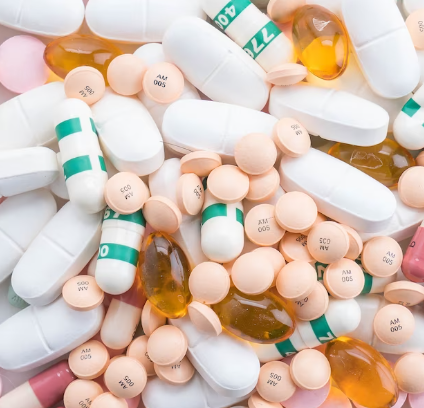
The potential interactions with medications
Photosensitizing medications, such as certain antibiotics and anti-inflammatory drugs, can increase your skin’s sensitivity to light, potentially leading to adverse reactions during the therapy.
Additionally, certain medications that affect skin sensitivity, like retinoids or acne medications, may also impact the effectiveness or safety of red light therapy.
Lastly, medications that impact blood circulation, such as blood thinners or vasodilators, may affect how efficiently the red light can penetrate the skin and reach its targeted areas.
1. Photosensitizing medications.
Photosensitizing medications can cause adverse reactions when combined with red light therapy. These medications contain substances that make your skin more sensitive to light, and when exposed to red light therapy, it can lead to skin irritation, burns, or other unwanted side effects.
Before undergoing red light therapy, you must be aware of any medications and their potential photosensitizing effects. Some common photosensitizing medications include certain antibiotics, antidepressants, antipsychotics, diuretics, and nonsteroidal anti-inflammatory drugs (NSAIDs).
It’s essential to consult your healthcare provider to determine if any medications you’re taking could interact with red light therapy. They can guide the best action to ensure your safety and maximize the benefits of red light therapy.
2. Medications that affect skin sensitivity
Certain drugs can make your skin more sensitive, potentially leading to adverse reactions during red light therapy. Before starting any light therapy treatments, you must be aware of these medications and discuss them with your healthcare provider.
Some medications that can affect skin sensitivity include retinoids, such as isotretinoin and tretinoin, commonly used for acne treatment. These medications can cause dryness, redness, and increased sensitivity to light.
Other medications, like nonsteroidal anti-inflammatory drugs (NSAIDs) and certain antibiotics, can also increase skin sensitivity. Some topical medications, such as corticosteroids and benzoyl peroxide, can make your skin more vulnerable to red light therapy.
To ensure the safety and effectiveness of your treatment, always disclose any medications you are taking to your healthcare provider.
3. Medications that impact blood circulation
Be mindful of any medications you take that can affect your blood circulation, as they may impact the effectiveness of your treatment.
Certain medications can either increase or decrease blood flow, which may interfere with the benefits of red light therapy. For example, medications such as beta-blockers, commonly used to treat high blood pressure, can decrease blood flow by blocking specific receptors in the blood vessels. Reduced blood flow may limit the delivery of oxygen and nutrients to the tissues, potentially diminishing the effects of red light therapy.
On the other hand, medications that increase blood flow, such as vasodilators, may enhance the benefits of red light therapy by improving circulation and increasing the supply of oxygen and nutrients to the treated areas.
It is essential to discuss any medications you are taking with your healthcare provider to ensure they won’t interfere with your red light therapy treatment.
RLT’s typical applications in pain management, skin rejuvenation, and other health benefits
Red light therapy has many uses, including alleviating pain, rejuvenating the skin, and providing numerous other health benefits. Regarding pain management, red light therapy effectively reduces acute and chronic pain. It works by stimulating the production of endorphins, natural painkillers in the body.
Additionally, red light therapy can help rejuvenate the skin by increasing collagen production, improving elasticity, and reducing the appearance of wrinkles and fine lines. It can also help treat acne and other skin conditions by reducing inflammation and promoting healing.
Furthermore, red light therapy has positively affected mood, sleep, and overall well-being. It is a non-invasive and safe treatment option that can be used with other therapies for optimal results.

Conclusion
In conclusion, you must know the potential interactions between medications and red light therapy. By understanding these interactions, you can ensure the effectiveness and safety of your treatment.
Red light therapy offers various health benefits, including pain management and skin rejuvenation. However, it’s essential to consult your healthcare provider before starting red light therapy, especially if you take any medications.
Stay informed and take necessary precautions to optimize the benefits of this therapy.