
Are you considering trying red light therapy but worried about potential allergies? Well, you’re not alone. Many people wonder if they can be allergic to this popular treatment. In this article, we’ll explore the question, ‘Can you be allergic to red light therapy?’
First, let’s understand what allergies are and their everyday symptoms. Allergies occur when your immune system reacts to a substance, known as an allergen, triggering an allergic response. Symptoms can range from mild to severe, including sneezing, itching, hives, and difficulty breathing.
Next, we’ll delve into how red light therapy works. This non-invasive treatment uses low-level red light to penetrate the skin, promoting healing and reducing inflammation. It’s known for its various benefits, including skin rejuvenation, pain relief, and improved circulation.
Finally, we’ll address the likelihood of developing allergies to red light therapy. While it’s rare, it’s essential to consider potential allergic reactions. We’ll explore the possible allergens associated with this therapy and provide tips for minimizing potential risks.
So, if you’re curious about red light therapy and its potential for allergies, keep reading to get all the facts you need before trying it.
Allergies: Causes and Symptoms
Allergies are a common condition where your immune system overreacts to usually harmless substances. Common allergens include pollen, dust mites, pet dander, and certain foods. You may experience symptoms such as sneezing, itching, and watery eyes when you have an allergic reaction.
1. What Are Allergies?
Imagine if your body had a unique response to specific triggers, causing uncomfortable symptoms that ranged from sneezing and itching to difficulty breathing and hives. That’s what happens when you have allergies.
Allergies occur when your immune system overreacts to typically harmless substances, such as pollen, dust mites, or certain foods. When your body encounters these triggers, it produces an immune response, releasing chemicals like histamine, which leads to the symptoms you experience.
These symptoms can vary in severity, from mild to life-threatening. Allergies can be diagnosed through various tests, such as skin pricks or blood tests. Once diagnosed, avoiding the allergens that trigger your symptoms and managing your allergies through medications or allergy shots is essential.
2. Common Allergens
Common allergens can trigger uncomfortable symptoms, from sneezing and itching to difficulty breathing and hives. Some of the most common allergens include pollen, pet dander, dust mites, mold, and certain foods like peanuts and shellfish.
These allergens can cause your immune system to overreact, releasing chemicals like histamine that result in allergy symptoms. Pollen, for example, can be found in plants and trees and is a common trigger for seasonal allergies.
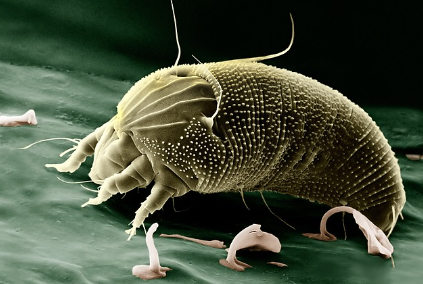
Pet dander, conversely, comes from animals’ skin, saliva, and urine and can cause allergies in some people. Dust mites are tiny insects that live in household dust and can be a major allergen for many individuals.
Identifying and avoiding these common allergens is essential to minimize allergic reactions.
3. Symptoms of Allergic Reactions
One of the most frustrating aspects of allergies is the range of uncomfortable symptoms that can arise, from sneezing and itching to difficulty breathing and hives.
Regarding allergic reactions, the symptoms can vary depending on the individual and the allergen involved. Exposure to an allergen can result in a runny or stuffy nose, watery eyes, and frequent sneezing for some people.
Others may experience itching or a rash on their skin, commonly known as hives. In more severe cases, allergic reactions can lead to difficulty breathing, tightness in the chest, and even anaphylaxis, a life-threatening reaction.
Pay attention to these symptoms and seek medical help if they occur, as allergies can be unpredictable and potentially dangerous.

How Red Light Therapy Works
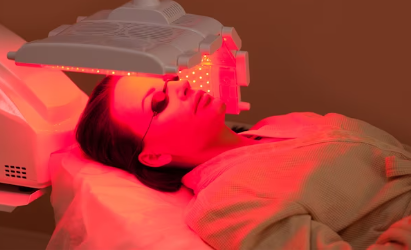
Regarding how red light therapy works, it primarily involves interacting with your skin and cells. The red light penetrates deep into your skin, stimulating the production of ATP, the energy source for your cells.
Additionally, one of the advantages of red light therapy is that it doesn’t involve using any allergenic substances, making it a safe and effective treatment option for many people.
1. Interaction with Skin and Cells
As you explore the interaction between red light therapy and your skin cells, you’ll discover how this treatment can potentially enhance your overall skin health. When the skin absorbs red light, it stimulates the mitochondria within your cells, increasing the production of adenosine triphosphate (ATP), which provides energy for cellular processes.
This boost in energy helps your skin cells to function optimally, promoting collagen production and reducing inflammation. Additionally, red light therapy can improve blood circulation, delivering oxygen and nutrients to your skin cells and enhancing their health.
The interaction between red light therapy and your skin cells also activates fibroblasts, which are responsible for producing collagen and elastin, helping to improve the elasticity and firmness of your skin.
Overall, red light therapy can positively impact your skin’s health and appearance.
2. Absence of Allergenic Substances
The absence of allergenic substances in this treatment can significantly benefit individuals with sensitive skin, providing a gentle and effective solution for improving their skin health. Red light therapy doesn’t involve the use of any creams, lotions, or substances that are known to cause allergies.
Unlike specific topical treatments or medications, red light therapy doesn’t require the application of any potentially irritating or allergenic products onto the skin. Instead, it uses red light wavelengths to stimulate cellular activity and promote collagen production. It can help with skin concerns such as acne, wrinkles, and inflammation.
This lack of allergenic substances makes red light therapy safe and suitable for people with sensitive skin who may be prone to allergic reactions.
Addressing the Likelihood of Allergies to Red Light Therapy
Contrary to popular belief, it’s important to note that allergies to red light therapy are highly unlikely. Red light therapy does not involve using allergenic substances that could trigger an allergic reaction. The therapy primarily uses low-level red light wavelengths to penetrate the skin and stimulate healing.
Unlike other forms of therapy, such as UV light therapy, red light therapy does not expose the skin to harmful radiation or chemicals. It significantly reduces the risk of allergic reactions. Additionally, red light therapy is non-invasive and does not require topical creams or ointments that could contain allergens.
Therefore, you can confidently pursue red light therapy without worrying about allergic reactions.
Conclusion
In conclusion, you might wonder if you are allergic to red light therapy. The good news is that allergies to this type of therapy are infrequent.
Red light therapy stimulates collagen production and promotes cellular regeneration, leading to numerous health benefits. However, if you experience any unusual reactions or skin irritations during or after a session, it’s essential to consult with a healthcare professional to determine the cause.