
Are you tired of tossing and turning all night, desperately searching for a good night’s sleep? Look no further because red light therapy may be the solution you’ve been dreaming of.
Red light therapy is a revolutionary treatment that can help regulate sleep patterns and improve sleep quality. By harnessing the power of red light, this therapy stimulates the production of melatonin, a hormone essential for sleep regulation. Melatonin helps your body know when to sleep and wake up, ensuring a more restful and rejuvenating slumber.
With red light therapy, you can say goodbye to restless nights and hello to blissful sleep. In this article, we will explore how red light therapy influences melatonin production, how to use it for sleep, and its potential benefits.
So get ready to reclaim your nights and wake up refreshed and energized every morning.
Melatonin’s Role in Sleep Regulation
Did you know that melatonin, your body’s natural sleep hormone, regulates your sleep patterns? It’s true!
The pineal gland in your brain produces melatonin and helps to control your body’s sleep-wake cycle. When it gets dark outside, your brain releases more melatonin, making you sleepy and ready for bed. On the other hand, when it’s light outside, melatonin production decreases, helping you wake up and feel alert.
This natural hormone is essential for a good night’s sleep, but factors like stress, jet lag, or shift work can sometimes disrupt production. That’s where red light therapy comes in. By exposing your body to red light wavelengths, this therapy can help stimulate melatonin production, promoting better sleep and helping you feel more rested and rejuvenated.
How Red Light Therapy Influences Melatonin Production
Red light therapy works by stimulating the mitochondria in your cells, which helps increase the production of adenosine triphosphate (ATP). This increase in ATP production leads to a higher production of melatonin.
Additionally, red light therapy helps reset your body’s internal clock, known as the circadian rhythm, which can become disrupted due to factors like artificial light exposure or shift work.
By restoring the balance of melatonin in your body and regulating your circadian rhythm, red light therapy can help you experience deep, rejuvenating sleep.
So, if you want to break free from sleepless nights and feel liberated in your slumber, consider trying red light therapy for a natural and effective solution.
How to Use Red Light Therapy for Sleep
To effectively use red light therapy for sleep, it’s important to consider three key points: proper setup, duration and timing, and safety considerations.
First, ensure the red light device is positioned correctly and at the proper distance from your body for optimal results.
Second, determine the appropriate duration and timing of your red light therapy sessions, considering your sleep schedule and preferences.
Lastly, prioritize safety by following the manufacturer’s guidelines, avoiding direct eye exposure, and consulting with a healthcare professional if you have any underlying health conditions.
1. Proper Setup
Setting up your red light therapy for sleep is a crucial step toward creating a soothing and restful environment for a better night’s rest. To begin, find a quiet and comfortable space to relax and unwind.
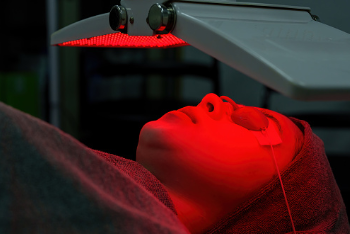
Ensure the room is free from distractions or bright lights that interfere with your sleep. Position the red light therapy device at a distance of about 6-12 inches from your body, ensuring that the light is directed towards the areas you want to target, such as your face or any specific areas of discomfort.
Adjust the intensity and duration of the therapy according to your preferences and needs. Remember to set a timer so the therapy automatically turns off after a set period, allowing you to sleep effortlessly.
With a correctly set up red light therapy routine, you can enjoy the liberation of a peaceful and rejuvenating night’s sleep.
2. Duration and Timing
Create a soothing and restful environment for a better night’s rest by finding the perfect duration and timing for your red light therapy routine. It’s essential to understand that the duration and timing of your therapy session can significantly impact its effectiveness.
To experience the full benefits, aim for a session duration of around 10 to 20 minutes. This timeframe allows the red light to penetrate your skin and stimulate your body’s natural sleep-promoting processes.
As for timing, it’s ideal to incorporate red light therapy into your evening routine, about 1 to 2 hours before bedtime. It allows your body to wind down and prepare for sleep while basking in the gentle glow of the red light.
By adhering to these guidelines, you can optimize your sleep routine and enjoy the liberation of a peaceful night’s sleep.
3. Safety Considerations
Ensure your well-being by prioritizing safety when incorporating this soothing and refreshing practice into your nightly routine. Red light therapy for sleep is generally considered safe, but taking certain precautions is essential.
First, follow the manufacturer’s instructions and guidelines for the device you’re using. Avoid looking directly at the light source to prevent potential eye damage.
It’s also advisable to start with shorter sessions and gradually increase the duration to allow your body to adapt. If you have any pre-existing eye conditions or are taking medications that increase light sensitivity, consult a healthcare professional before starting red light therapy.
Additionally, it’s crucial to maintain proper hygiene by keeping the device clean and avoiding sharing it with others.
By following these safety considerations, you can fully enjoy the benefits of red light therapy for a restful and rejuvenating sleep.
Who Should Avoid Red Light Therapy for Sleep?
Avoid red light therapy for sleep if you’re pregnant, as it may adversely affect you and your developing baby. The safety of red light therapy during pregnancy has not been extensively studied, and there is a lack of conclusive evidence regarding its effects on fetal development. It’s essential to prioritize your and your baby’s well-being and consult with your healthcare provider before trying any new therapies during pregnancy.
Individuals with certain medical conditions should also avoid red light therapy for sleep. These may include those with epilepsy, thyroid conditions, or photosensitivity disorders. It’s always best to err on the side of caution and seek professional advice to ensure your safety and your baby’s safety.

Potential Benefits of Red Light Therapy for Sleep
Red light therapy may be worth considering if you want to improve your sleep quality, reduce insomnia symptoms, and enhance your sleep duration. This innovative approach has shown potential benefits in helping individuals achieve a more restful and rejuvenating sleep. By using red light therapy, you may experience a better night’s sleep and wake up feeling refreshed and energized.
1. Improved Sleep Quality
Add red light therapy into your nightly routine to achieve a deeper and more restful sleep. Red light therapy has been shown to improve sleep quality by increasing melatonin production, the hormone that regulates sleep-wake cycles.
Exposing yourself to red light before bed can signal to your body that it’s time to wind down and prepare for sleep. It can help you fall asleep faster and experience fewer sleep disruptions.
Red light therapy also promotes relaxation and reduces stress, allowing you to let go of the day’s worries and fully embrace the rejuvenating power of sleep.
So, if you’re longing for liberation from restless nights and groggy mornings, try integrating red light therapy into your sleep routine and unlock the potential for deep, restorative sleep.
2. Reduced Insomnia Symptoms
Experience the bliss of peaceful nights and refreshed mornings as insomnia symptoms fade away with the integration of red light therapy into your routine.
Red light therapy is an effective treatment for reducing the symptoms of insomnia. By exposing your body to red light wavelengths, this therapy helps regulate your circadian rhythm and improve sleep quality. The soothing red light stimulates the production of melatonin, the hormone responsible for regulating sleep, making it easier for you to fall asleep and stay asleep throughout the night.
As a result, you’ll wake up feeling energized and ready to take on the day. Say goodbye to restless nights and hello to rejuvenating sleep with red light therapy. Embrace the freedom of a well-rested life.
3. Enhanced Sleep Duration
Indulge in the blissful embrace of extended nights of peaceful slumber and awaken to the rejuvenating embrace of mornings that leave you feeling refreshed and ready to conquer the day.
Red light therapy can enhance your sleep duration, allowing you to experience the liberation of longer and more restful nights. By exposing your body to red light wavelengths, this therapy helps regulate your biological clock, promoting a deeper and more continuous sleep.
The red light stimulates the production of melatonin, the hormone responsible for inducing sleep, while also reducing cortisol levels, the stress hormone that can disrupt your rest. As a result, you can bid farewell to those frustrating nights of tossing and turning and embrace the freedom of uninterrupted sleep.
Say goodbye to sleepless nights and hello to rejuvenating mornings with the power of red light therapy.
Conclusion
In conclusion, red light therapy can be a beneficial tool for improving sleep. It helps regulate the sleep-wake cycle and promote a more restful sleep by influencing melatonin production. To use red light therapy for sleep, expose yourself to red light for a designated time before bedtime.
However, it’s important to note that red light therapy may not suit everyone. Specific individuals, such as those with photosensitivity or certain eye conditions, should avoid this therapy.
Overall, red light therapy shows promising potential in enhancing sleep quality.