
Regarding skincare and wellness treatments, red light therapy has become increasingly popular. This non-invasive treatment claims to have numerous benefits, from reducing inflammation and acne to improving wound healing and promoting hair growth. But with the rise in popularity, many people wonder if it is safe and effective to use red light therapy at home or if it’s better to seek treatment in a professional clinic or spa. Let’s explore red light therapy, how it works, and the safety and efficacy of using it at home.
What is Red Light Therapy, and How Does it Work?
Red light therapy, also known as low-level laser therapy (LLLT) or photodynamic therapy, is a treatment that uses low-wavelength red and near-infrared light to stimulate the cells in the body. It works by shining a light-emitting diode (LED) light therapy device on the skin, sending energy to the mitochondria of the cells. The mitochondrion is the cell’s powerhouse and produces energy through adenosine triphosphate (ATP).
How does Red Light Therapy Work?
When the red and near-infrared light penetrates the skin, it is absorbed by the cells. This absorption stimulates ATP production, which helps activate various cellular processes. The increased ATP production can promote collagen production, improve blood circulation, reduce inflammation, and enhance wound healing. It can also stimulate hair follicles and promote hair growth.
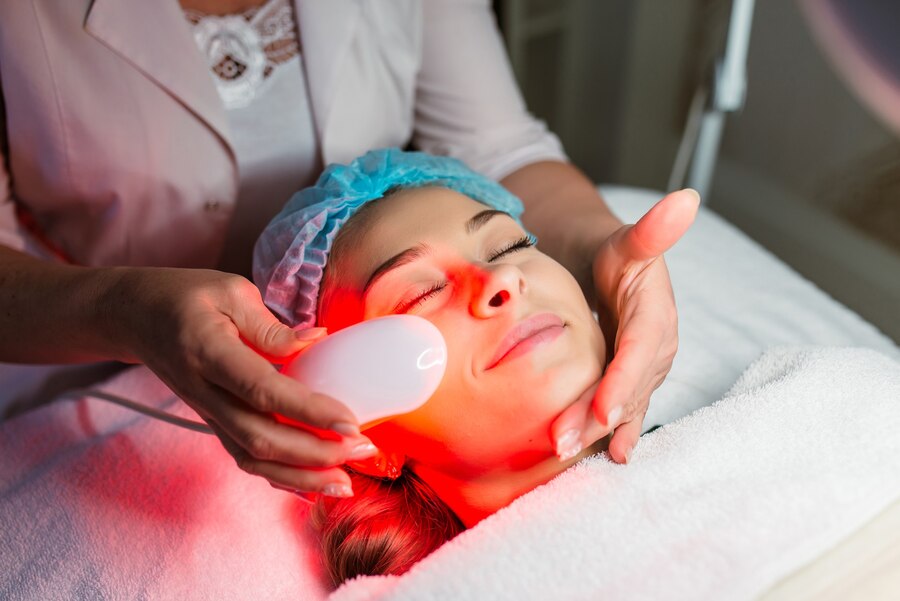
Is Red Light Therapy Safe?
Red light therapy is generally considered safe when used as directed. It is non-invasive and does not cause any pain or discomfort during the treatment. However, following the manufacturer’s instructions and staying within the recommended treatment time and distance from the skin is essential. If you have any pre-existing skin conditions or are currently under medical treatment, it is best to consult with a dermatologist or healthcare professional before starting red light therapy.
Are There Risks?
While red light therapy is generally safe, there are some potential risks to be aware of. Overexposure to red light can cause skin burns, so following the recommended treatment guidelines is essential. It is also vital to protect your eyes from direct exposure to the light source, as it can cause damage to the retina. Consider wearing protective goggles or keeping your eyes closed during the treatment. Additionally, if you have a history of skin cancer or are taking medications that increase sensitivity to light, red light therapy may not be suitable for you.
Benefits of Red Light Therapy
Red light therapy has been studied for its potential benefits in various skin conditions and wellness practices. Some of the benefits reported by users and supported by scientific research include:
- Reduced inflammation
- Improved collagen production
- Reduced fine lines and wrinkles
- Promotion of wound healing
- Stimulation of hair growth
- Improvement in acne and acne scars
- Alleviation of psoriasis symptoms
Can I Use Red Light Therapy at Home?
Yes, the right equipment can use red light therapy at home. Various red light therapy devices available in the market are suitable for home use. These devices typically consist of a light panel or a handheld device that emits red and near-infrared light. They are designed to deliver the necessary wavelength and power output to stimulate the cells without causing harm to the skin.
How to Use Red Light Therapy at Home
Using red light therapy at home is relatively straightforward. Start by cleansing your skin and removing any makeup or lotions. Then, position the red light therapy device at a recommended distance from your skin, as specified by the manufacturer. Turn on the device and expose the desired treatment area to the red light for the recommended duration. Remember to protect your eyes from direct exposure to the light.
Is At-Home Red Light Therapy as Effective as Treatment in a Clinic or Spa?
While red light therapy at home can provide benefits, it may not be as effective as receiving treatment in a professional clinic or spa. The efficacy of red light therapy depends on various factors, including the quality and power output of the device, the duration and frequency of treatments, and individual skin conditions. In a professional setting, dermatologists and aestheticians can tailor the treatment to your needs and monitor your progress. However, if you cannot visit a clinic or spa regularly, red light therapy at home can still be convenient and cost-effective.

Recommended Frequency of Red Light Therapy
The recommended frequency of red light therapy treatments can vary depending on the desired outcome and the individual’s response. Some people may see noticeable results after just a few sessions, while others may require more frequent treatments over a more extended period. As a general guideline, start with a few weekly sessions and gradually adjust based on your progress. Consult with a healthcare professional or refer to the device manufacturer’s guidelines for specific recommendations.
Conclusion
Red light therapy is a non-invasive treatment option that uses low-level red and near-infrared light to stimulate the cells in the body. It has been reported to have various benefits, including reduced inflammation, improved collagen production, and promotion of wound healing.
While it is generally safe to use, it is essential to follow the recommended guidelines and consult with a healthcare professional if you have any concerns or pre-existing conditions. Red light therapy at home can be convenient, but the efficacy may vary compared to professional treatment in a clinic or spa. The frequency of treatments depends on individual needs and desired outcomes.