
Are you curious about the antibacterial properties of red light therapy? Well, you’re in the right place!
Red light therapy has been gaining attention for its potential to combat bacteria and promote healing. Numerous studies have suggested that red light therapy has antibacterial effects.
This innovative therapy involves exposing the skin to low levels of red light, which is thought to stimulate cellular activity and boost the immune system. While more research is needed to fully understand the mechanisms behind these effects, red light therapy has shown promise in targeting common bacteria such as Staphylococcus aureus and Escherichia coli.
If you’re looking for a natural and non-invasive method to fight off bacteria, red light therapy might be the solution you’ve been searching for.
Let’s delve deeper into the science and explore the possibilities of this exciting therapy!
Antibacterial Properties of Red Light Therapy
Yes, red light therapy has been found to possess antibacterial properties, making it a promising tool in fighting off pesky bacteria.
When bacteria areed light, it can stimubacteriate the production of reactive oxygen species (ROS) within the cells. These ROS have been shown to have antimicrobial effects, helping to kill off bacteria and inhibit their growth.
Additionally, red light therapy has been found to enhance the body’s immune response, further aiding in eliminating bacteria.
Studies have demonstrated the effectiveness of red light therapy in treating various bacterial infections, including acne, wounds, and even drug-resistant bacteria.
The ability of red light therapy to target and destroy bacteria without harming healthy cells makes it a safe and viable option for antibacterial treatment.

Explanation of studies suggesting antibacterial effects
Explore the studies that indicate how red light therapy can combat bacteria. Several studies have suggested that red light therapy has antibacterial effects.
One study by Hamblin and colleagues found that red light can inhibit the growth of bacteria such as Staphylococcus aureus and Escherichia coli. They proposed that red light therapy may disrupt the bacteria’s membrane integrity, leading to cell death.
Another study by de Sousa et al. showed that red light therapy can reduce the bacterial load in chronic wounds, promoting faster healing. They suggested that red light therapy stimulates the immune response, promoting the destruction of bacteria.
These studies prove that red light therapy may have antibacterial properties, making it a promising treatment option for bacterial infections.
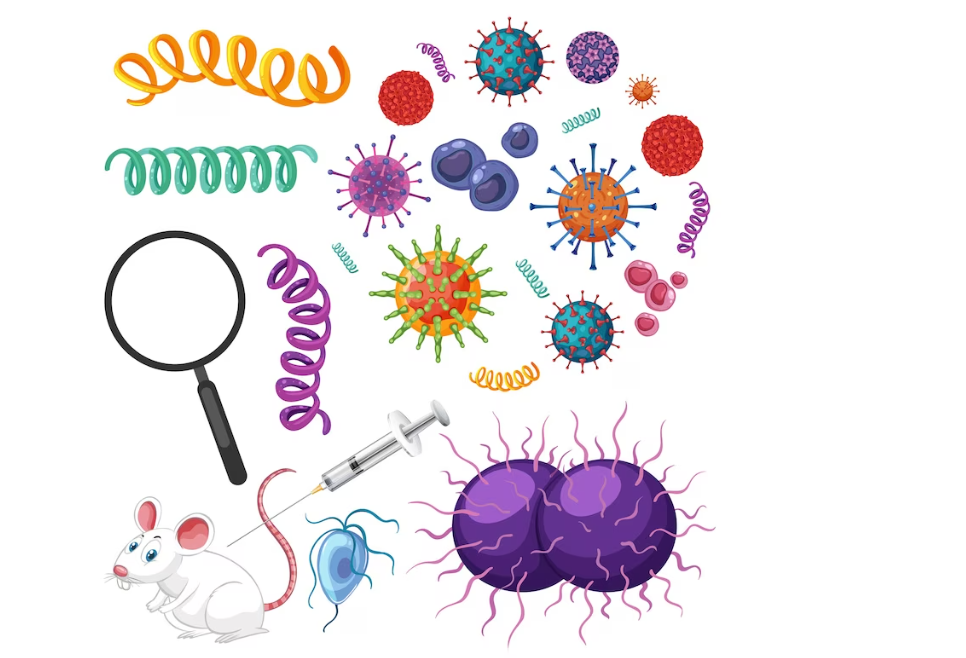
Examples of common bacteria that red light therapy may target
Some common bacteria that may be susceptible to the effects of red light therapy include Staphylococcus aureus and Escherichia coli. Staphylococcus aureus, or staph, is a bacterium that can cause various infections, such as skin infections and pneumonia. Red light therapy has been found to have antibacterial effects against staph, helping to reduce the growth and spread of this bacteria.
Another common bacteria that red light therapy may target is Escherichia coli or E. coli. E. coli is a bacterium that can cause food poisoning and urinary tract infections. Studies have shown that red light therapy can inhibit the growth of E. coli, making it a potential treatment option for infections caused by this bacteria.
Overall, red light therapy has shown promise in targeting and reducing the growth of common bacteria like Staphylococcus aureus and Escherichia coli.
Frequently Asked Questions
How does red light therapy compare to traditional antibacterial treatments such as antibiotics?
Red light therapy cannot be directly compared to traditional antibacterial treatments like antibiotics because it works differently. Red light therapy uses specific wavelengths of light to stimulate cellular function and promote healing, while antibiotics target and kill bacteria.
Can red light therapy be used to treat antibiotic-resistant bacteria?
Yes, red light therapy can be used to treat antibiotic-resistant bacteria. It targets and destroys the bacteria by penetrating their cell walls, making it an effective alternative to traditional antibacterial treatments like antibiotics.
Are there any potential side effects or risks associated with red light therapy for its antibacterial properties?
Potential side effects of red light therapy for its antibacterial properties include skin irritation, redness, and dryness. However, these risks are generally minimal and rare. It is importFollowingty guidelines and consult withconsultingthcare professional.
Is re is importantd light therapy effective in killing bacteria on different parts of the body, such as the skin, mouth, or internal organs?
Red light therapy has been found to effectively kill bacteria in various parts of the body, including the skin, mouth, and internal organs. It can be a safe and non-invasive method for combating bacterial infections.
Can red light therapy be combined with other antibacterial treatments for enhanced effectiveness?
Yes, red light therapy can be used alongside other antibacterial treatments to enhance effectiveness. Combining red light therapy with traditional antibacterial methods can provide a more comprehensive approach to fighting bacteria in different parts of the body.
Conclusion
In conclusion, red light therapy has shown promising antibacterial properties in various studies. It has been found to effectively target common bacteria, providing potential benefits for treating bacterial infections. The research suggests that red light therapy can be a valuable addition to existing antibacterial treatments.
If you’re looking for a natural and non-invasive way to combat bacteria, red light therapy is worth considering.