
Are you tired of dealing with pesky bruises that take forever to heal? You might be interested to know that there is a potential solution. Have you ever heard of red light therapy? This innovative treatment is gaining popularity for its ability to address various health issues, including bruising.
Bruising is a common problem for various reasons, such as injury or aging. Understanding the mechanism behind bruising is crucial in exploring the potential connection with red light therapy.
By utilizing red light wavelengths, this therapy can stimulate the healing process of bruises, reducing their appearance and accelerating their recovery time.
This article will delve deeper into the science behind bruising and explore whether red light therapy can indeed be an effective solution. So, if you’re curious about how to speed up your bruise healing and regain flawless skin, keep reading to discover the potential benefits of red light therapy.
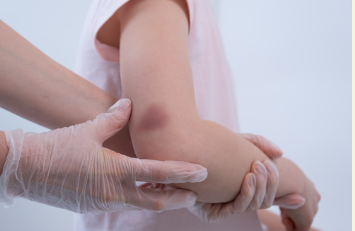
Mechanism of Bruising
Bruising occurs when blood vessels beneath the skin rupture, causing blood to leak into nearby tissues. It can happen due to trauma or injury to the affected area. The leaked blood then collects and forms a visible discoloration on the skin, known as a bruise.
1. Explanation of bruising and its causes
To better understand bruising and its causes, you should know it occurs when blood vessels rupture under the skin. When this happens, blood leaks out and collects in the surrounding tissues, resulting in the discoloration we associate with bruises.
Bruises commonly occur due to trauma, such as a bump or a fall, which causes the blood vessels to break. However, certain medical conditions and medications can also make a person more prone to bruising. Factors like age, genetics, and thinning skin can also increase the likelihood of bruising.
Understanding the underlying causes of bruising can help find effective treatments, such as red light therapy, which has been suggested to help promote healing and reduce the appearance of bruises.
2. The role of blood vessels and blood leakage in bruise formation
Blood vessels rupture, and blood leaks out, collecting in surrounding tissues, resulting in the characteristic discoloration we associate with bruises. When there’s an injury or trauma to the body, the blood vessels beneath the skin can become damaged, causing them to break and release blood. This blood then seeps into the surrounding tissues, creating a pool of blood that appears as a bruise.
The severity of the bruise depends on the extent of the blood vessel damage and the amount of blood that leaks out. The body’s natural healing process involves clearing away this leaked blood and repairing the damaged blood vessels. Red light therapy stimulates the production of collagen, which helps in the healing process and may reduce the appearance of bruises. However, more research is needed to determine the effectiveness of red light therapy for bruising.
Mention of the common issue of bruising
Bruising can be a real pain but fear not. Red light therapy might be the solution you’ve been searching for!
We’ve all experienced those unsightly bruises from a bump or fall, which can take weeks to heal. But with red light therapy, you can speed up the healing process.
This therapy involves exposing the affected area to red light, which is believed to increase blood flow and promote tissue repair. By stimulating cellular activity, red light therapy may help reduce inflammation and improve the appearance of bruises.
It’s a non-invasive, drug-free option that many people find compelling. So next time you find yourself with a bruise, try giving red light therapy and say goodbye to those pesky marks faster than ever!
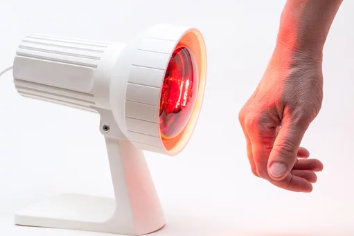
Does red light therapy have an impact on bruising?
When applied, red light therapy can alleviate the appearance of bruises. This therapy involves using low-level red light wavelengths to penetrate the skin and stimulate collagen and elastin production, which is essential for skin healing and rejuvenation. The red light also increases blood circulation, which can help to speed up the healing process and reduce the swelling associated with bruising. Additionally, red light therapy has been found to have anti-inflammatory properties, which can further aid in reducing the discoloration and pain of bruises.
While more research is needed to understand the effects of red light therapy on bruising fully, many people have reported positive results and find it a non-invasive and natural option for bruise treatment.
Potential Connection between Red Light Therapy and Bruising
In discussing the potential connection between red light therapy and bruising, you’ll explore how it could affect bruising and the theoretical mechanisms through which it might reduce bruise severity.
Additionally, you’ll consider the anti-inflammatory and tissue repair effects that red light therapy could have on bruised areas.
By examining these key points, you can better understand the potential benefits of red light therapy in reducing bruising.
1. Discussion of how red light therapy could potentially affect bruising
Imagine how red light therapy can work wonders in reducing the appearance of bruises, giving you a chance to heal faster and feel more confident in your skin.
When applied to the affected area, red light therapy stimulates the production of collagen and elastin, which are essential for skin repair and regeneration. This increased production of collagen and elastin can help minimize the appearance of bruising by promoting the growth of new, healthy skin cells.
Additionally, red light therapy has been shown to improve blood circulation, which can help speed up the healing process and reduce inflammation associated with bruising. By targeting the damaged tissues with red light therapy, you may experience quicker recovery times and less noticeable bruises.
It’s no wonder red light therapy is becoming popular for those looking to heal their bruises more effectively.
2. Theoretical mechanisms through which red light therapy might reduce bruise severity
One potential way that red light therapy could work wonders in reducing the appearance of bruises is by stimulating the production of collagen and elastin, essential for skin repair and regeneration, ultimately promoting the growth of new, healthy skin cells.
Red light therapy involves using low-level wavelengths of red light that penetrate deep into the skin, reaching the underlying tissues. These wavelengths are thought to stimulate the mitochondria, the powerhouse of the cells, which in turn triggers a series of cellular responses.
This stimulation can lead to increased blood flow and oxygenation in the area, enhancing the delivery of nutrients and removal of waste products. Additionally, red light therapy may also help reduce inflammation, which is a common cause of bruising.
Red light therapy can reduce bruise severity and accelerate healing by addressing these underlying factors.
3. Consideration of anti-inflammatory and tissue repair effects
By promoting the body’s natural healing processes and reducing inflammation, red light therapy can significantly improve tissue repair and accelerate the recovery of bruises. When applied to the affected area, red light therapy stimulates the production of collagen, a protein that plays a crucial role in wound healing. This increased collagen production helps to rebuild and strengthen damaged blood vessels, reducing the appearance of bruises over time.
Additionally, red light therapy has decreased inflammatory markers in the body, such as cytokines, which can contribute to the severity and duration of bruising. By reducing inflammation, red light therapy not only helps to alleviate pain but also aids in the healing process by allowing the body to efficiently clear away damaged tissue and initiate the repair of blood vessels.
Conclusion
In conclusion, red light therapy may have a positive impact on bruising. It can speed up the healing process of bruises by stimulating cellular repair and reducing inflammation. However, further research is needed to fully understand the mechanism and effectiveness of red light therapy for bruising. If you’re experiencing bruises, it may be worth considering red light therapy as a complementary treatment option.