
Are you curious whether you can use red light therapy while wearing clothes?
Well, the answer is yes! Red light therapy is a non-invasive treatment that can be conveniently done with your clothes on. This innovative therapy involves exposing your body to low-level red light to stimulate healing and rejuvenation at the cellular level.
However, it’s essential to understand how clothing may affect the penetration of red light. While clothing can slightly reduce the light’s intensity, it still allows a significant amount of red light to reach your skin.
It’s recommended to wear light-colored, thin fabrics that allow better light penetration to ensure effective therapy. This article will provide practical tips on optimizing your clothed red light therapy experience and maximizing its benefits.
So, get ready to discover how to harness the power of red light therapy with ease and convenience right from the comfort of your clothing.
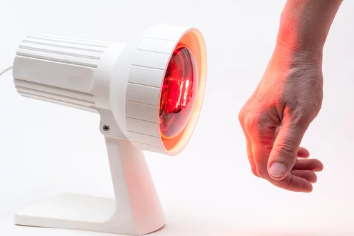
Clothing’s Potential Effects on Red Light Penetration
When it comes to red light therapy, clothing can play a role in either blocking or diffusing the red light. Research studies have examined the penetration of red light through various types of clothing, which can help determine how effective the therapy may be when wearing clothes. Factors such as the fabric type, color, and thickness, as well as the distance between the light source and the skin, can all influence the effectiveness of red light therapy while clothed.
1. How clothing may block or diffuse red light
Wearing clothes during red light therapy might hinder the full benefits, as the fabric could block or scatter the healing red light, leaving you deprived of its soothing effects.
Clothing, especially those made of thick or dark materials, can absorb and block the red light from reaching your skin. It reduces the penetration of light and can diminish its therapeutic effects.
Additionally, the texture and weave of the fabric can scatter the red light, causing it to disperse rather than concentrate on the targeted areas.
Exposing as much of your skin as possible is recommended to maximize the benefits of red light therapy. Opt for lightweight, breathable fabrics, or consider using specialized garments for red light therapy that allows for better light penetration.
2. Research studies on the penetration of red light through clothing
Research studies have shown that red light can struggle to penetrate clothing, especially if the fabric is thick or dark. A study published in the Journal of Cosmetic Dermatology found that clothing can significantly reduce the effectiveness of red light therapy. The researchers tested different fabric types, including cotton, polyester, and spandex, and found that all fabrics blocked varying red light.
Another study by the University of California, Irvine, revealed that clothing color also plays a role in blocking red light. Dark-colored clothes, such as black or navy, absorbed more red light than lighter-colored fabrics. Therefore, if you want to maximize the benefits of red light therapy, removing as much clothing as possible or wearing light-colored, thin fabrics that allow the red light to penetrate through is recommended.
3. Factors influencing the effectiveness of red light therapy while clothed
Factors such as fabric type, color, and thickness can significantly impact how effectively red light penetrates through clothing during therapy sessions. For instance, certain fabrics like cotton and silk are more transparent and allow light to pass through than thicker materials like denim or wool. Light-colored clothing tends to reflect more light, reducing its penetration, whereas dark-colored clothing absorbs more light, allowing for better penetration.
Additionally, the thickness of the fabric can create a barrier that hinders the light’s ability to reach the skin. Opt for thin, light-colored fabrics that allow for better light transmission to maximize the benefits of red light therapy while clothed. Avoid thick, dark-colored materials that can impede the therapy’s effectiveness.
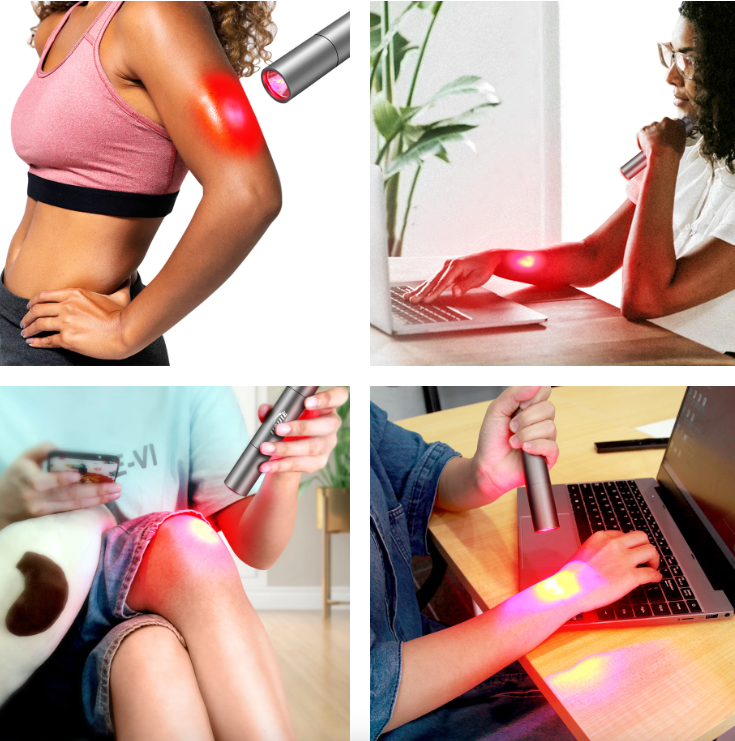
Practical Tips for Effective Clothed Red Light Therapy
When engaging in clothed red light therapy, choosing clothing materials and colors for optimal penetration is essential. Opt for lightweight and breathable materials, like cotton or linen, and avoid thick or heavy fabrics that may block the light.
Additionally, make sure that the targeted areas receive even coverage by adjusting the clothing accordingly. You can use straps or bands to secure the garments in place.
Lastly, using reflective surfaces, such as mirrors or aluminum foil, enhance the penetration of red light. These surfaces can redirect the light toward the desired areas.
1. Choosing appropriate clothing materials and colors
For optimal results, consider wearing clothing made of breathable materials and darker colors during your red light therapy sessions.
Breathable materials, such as cotton or bamboo, allow the light to penetrate your skin more effectively, maximizing the benefits of the therapy. These fabrics allow for better air circulation, preventing excessive heat and sweat buildup.
Darker colored clothing, such as black or dark blue, can also enhance the therapy’s effectiveness. Dark colors absorb light, reducing the amount reflected away from your body. It means that more light can reach your skin, increasing the absorption and effectiveness of the therapy.
So, opt for breathable materials and darker colors to optimize your results when choosing what to wear during your red light therapy sessions.
2. Ensuring even coverage of targeted areas
To ensure you get the most out of your sessions, ensure the areas you want to target are evenly covered. When doing red light therapy with clothes on, choosing clothing that allows the light to penetrate is essential. Opt for clothing made of lightweight and breathable materials like cotton or bamboo.
These fabrics are more likely to allow the red light to reach your skin effectively. Additionally, choose clothing colors that are lighter in the shade, as darker colors may absorb the light instead of reflecting it onto your skin. By wearing appropriate clothing materials and colors, you can ensure that the red light therapy is evenly distributed to the targeted areas of your body, maximizing its benefits.
3. Utilizing reflective surfaces to enhance light penetration
It’s essential to explore ways to enhance light penetration to ensure even coverage of targeted areas during red light therapy. One effective method is to utilize reflective surfaces. You can redirect and amplify the light by strategically placing mirrors or reflective materials, maximizing its reach and effectiveness.
This technique is instrumental when treating larger areas or hard-to-reach spots. For example, suppose you’re targeting your back or shoulders. In that case, positioning a mirror behind you can help redirect the light to those areas, ensuring they receive the same level of therapy as the rest of your body.
By using reflective surfaces, you can optimize the benefits of red light therapy and achieve more comprehensive results. So, don’t hesitate to get creative and experiment with different ways to enhance light penetration for a more effective and satisfying experience.
Conclusion
So, can you do red light therapy with clothes on? The answer is yes! While clothing can potentially reduce the penetration of red light, there are practical tips you can follow to ensure effective therapy even with clothes on.
Choose lightweight and breathable fabrics, opt for loose-fitting clothing, and consider using red light therapy devices that penetrate through clothing. With these strategies, you can still experience the benefits of red light therapy while wearing clothes.
In conclusion, red light therapy offers a flexible approach to treatment, allowing individuals to explore various options based on their preferences and needs.
Whether you choose red light therapy with or without clothes on, both methods can effectively achieve desired results. So don’t hesitate to try different approaches and find the best.