
Are you considering red light therapy to help with acne while on Accutane?
Knowing if these two treatments can safely be used together is essential. Accutane, a potent medication for severe acne, reduces oil production in your skin and shrinks oil glands.
On the other hand, red light therapy utilizes low-level wavelengths to penetrate the skin and promote healing, reduce inflammation, and improve overall skin health.
However, there are precautions to consider before combining these treatments. Accutane can make your skin more sensitive and prone to damage, so it’s crucial to consult with your dermatologist before starting red light therapy. They can assess the benefits and risks specific to your situation and guide the best course of action.
By taking the necessary precautions, you can ensure your skin receives the care it needs while on Accutane.
Accutane: Purpose and Precautions
Accutane, or isotretinoin, is a powerful medication used primarily for treating severe acne. It reduces oil production in the skin, preventing clogged pores and the formation of new pimples.
However, it’s essential to be aware of potential side effects such as dryness, sensitivity to sunlight, and possible congenital disabilities if taken during pregnancy. Therefore, it’s crucial to consult with a healthcare professional before starting Accutane to ensure it’s the right treatment option for you and to be monitored appropriately throughout the medication.

1. Describe what Accutane (isotretinoin) is and its primary use for treating severe acne
When dealing with severe acne that won’t go away, you might consider using isotretinoin, a powerful medication that targets the root causes of your skin condition. Also known as Accutane, isotretinoin is a form of vitamin A that helps reduce oil production, unclog pores, and decrease inflammation in the skin.
It is primarily used for treating severe acne that has not responded to other treatments, such as antibiotics or topical medications. Accutane is usually prescribed by a dermatologist and is taken orally as capsules. However, it’s important to note that Accutane can have serious side effects and isn’t suitable for everyone.
2. Discuss potential side effects and precautions associated with Accutane use
Taking isotretinoin, a powerful acne medication, can come with potential side effects and precautions to consider before starting treatment.
One of Accutane’s most common side effects is dryness of the skin, lips, and eyes. You may also experience increased sensitivity to the sun, so it’s essential to wear sunscreen and protective clothing when going outside.
Other potential side effects include muscle and joint pain, headache, and mood changes.
Avoiding pregnancy during Accutane treatment is crucial, as it can cause severe congenital disabilities. You’ll need to use two forms of contraception and take regular pregnancy tests.
Accutane can also affect your liver function, so regular blood tests will be necessary to monitor for abnormalities.
Discussing these potential side effects and precautions with your healthcare provider before starting Accutane is essential.
3. Emphasize the importance of consulting a healthcare professional before using Accutane
Before starting treatment, it’s crucial to consult with a healthcare professional to understand the importance of Accutane and its potential effects on your body.
Accutane is a powerful medication known to have significant side effects and precautions. Your healthcare provider will be able to assess your specific situation and determine if Accutane is the right option for you. They will also explain the potential risks and benefits associated with the medication.
It’s essential to have a thorough discussion with your healthcare professional about your medical history, any other medications you may be taking, and any concerns or questions you have. They will provide guidance and support throughout your Accutane journey, ensuring your safety and well-being.
Remember, your healthcare professional is there to help you make informed decisions about your health, so don’t hesitate to contact them.
Interaction Between Red Light Therapy and Accutane
If you’re considering combining red light therapy with Accutane, you must know the possible concerns. Due to the increased sensitivity of your skin while on Accutane, there is a potential for interactions between the therapy and the medication.
It is crucial to seek professional medical advice before undergoing red light therapy while taking Accutane to ensure your safety and avoid potential adverse effects.
1. Address the possible concerns of combining red light therapy with Accutane
Despite potential concerns, combining red light therapy with Accutane is safe. Accutane is a medication commonly prescribed for severe acne. Red light therapy is a non-invasive treatment that uses low-level wavelengths of light to promote healing and reduce inflammation.
While some people worry about the interaction between the two, no evidence suggests any adverse effects. Red light therapy can complement the effects of Accutane by reducing redness, swelling, and the appearance of acne scars. It can also help improve the skin’s overall texture and tone.
However, it’s always a good idea to consult with your dermatologist before starting any new treatments to ensure they are appropriate for your situation.
2. Mention potential interactions between red light therapy and Accutane due to increased skin sensitivity
Combining red light therapy and Accutane may lead to potential interactions due to increased skin sensitivity. While red light therapy is generally considered safe and non-invasive, it’s essential to be cautious when using it with Accutane.
Accutane is a powerful medication known for its ability to treat severe acne, but it can also make your skin more sensitive and prone to irritation. Red light therapy delivers specific wavelengths of light to the skin, potentially exacerbating this sensitivity.
It’s crucial to consult with your dermatologist before undergoing red light therapy while on Accutane to ensure that it won’t cause any adverse effects. Your dermatologist will be able to assess your skin’s condition and determine if red light therapy is a suitable option for you during your Accutane treatment.
3. Highlight the need for professional medical advice before undergoing red light therapy while on Accutane
Before undergoing red light therapy while taking Accutane, seeking professional medical advice is crucial to ensure a safe and effective treatment. Accutane can significantly increase skin sensitivity, making it more vulnerable to potential side effects from red light therapy. Only a healthcare professional can determine if red light therapy is appropriate for you while on Accutane, as they can assess your specific condition and make informed recommendations.
They can also guide the therapy’s frequency and duration to minimize potential risks. Remember, everyone’s skin reacts differently, and what works for one person may not work for another. By consulting with a medical professional, you can ensure that you take the necessary precautions and maximize the benefits of red light therapy while on Accutane.
Benefits and Risks Assessment
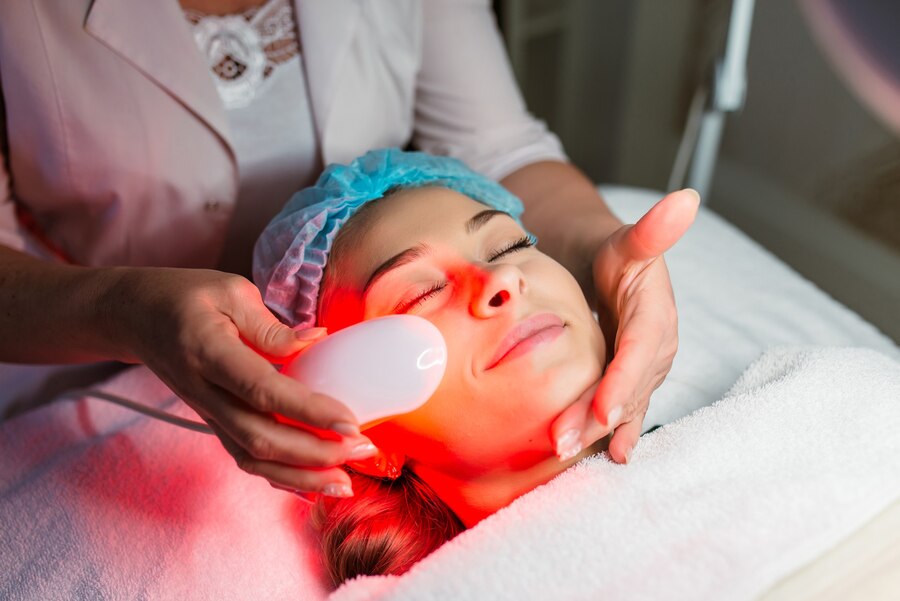
Using red light therapy alongside Accutane can provide several benefits. Firstly, red light therapy has been found to reduce inflammation and promote healing, which can complement the effects of Accutane in reducing acne.
Additionally, red light therapy can improve skin texture and tone, helping minimize acne scars’ appearance. However, it’s essential to consider the possible risks of red light therapy, such as skin irritation or photosensitivity.
It’s advisable to consult with a healthcare professional before starting red light therapy while on Accutane to ensure it’s safe and appropriate for your specific situation.
1. Summarize the potential benefits of using red light therapy alongside Accutane
Enhance your Accutane treatment with red light therapy, as it offers potential benefits that complement the effectiveness of the medication. Red light therapy has been shown to reduce inflammation, a common acne symptom.
By targeting the deeper layers of the skin, red light therapy can help to heal existing acne lesions and prevent new ones from forming. Additionally, red light therapy stimulates collagen production, which can improve your skin’s overall texture and appearance. It can be especially beneficial for individuals who experience scarring as a result of their acne.
Red light therapy is non-invasive and has no known side effects, making it a safe and convenient option to combine with your Accutane treatment.
2. Discuss the possible risks, including skin irritation or photosensitivity
Now let’s delve into the possible risks you should know when considering red light therapy while on Accutane. While red light therapy is generally considered safe, there is a potential skin irritation or photosensitivity risk.
Accutane can cause skin dryness and sensitivity, and combining it with red light therapy may exacerbate these effects. The intense light emitted during the therapy session can further irritate the skin, leading to redness, peeling, or even a rash.
Additionally, Accutane can make your skin more susceptible to sunburn, and red light therapy can increase photosensitivity, making it crucial to protect your skin from excessive sunlight.
To minimize these risks, consult with your dermatologist before incorporating red light therapy into your Accutane treatment regimen. They can guide the safest approach and recommend suitable precautions to protect your skin during therapy sessions.
3. Present a balanced view of the advantages and disadvantages
Consider the potential benefits and drawbacks before incorporating red light therapy into your Accutane treatment regimen. On the one hand, red light therapy has been shown to improve skin texture, reduce inflammation, and promote wound healing. It can accelerate the clearing of acne lesions and minimize post-inflammatory hyperpigmentation. Red light therapy is also non-invasive and painless, making it a convenient option for those seeking alternative treatments.
On the other hand, there are a few disadvantages to remember. Some individuals may experience skin irritation, dryness, or redness after red light therapy. Moreover, the therapy may not be suitable for everyone, particularly those with certain medical conditions or taking specific medications. It’s essential to consult with a healthcare professional to determine if red light therapy is a safe and effective option for your specific situation.
Conclusion
Although red light therapy has shown positive results in treating various skin conditions, it’s essential to follow the precautions advised by healthcare professionals. Discuss with your doctor before considering additional treatments while on Accutane to ensure the best results for your skin.