
Are you considering getting a chemical peel but wondering if you can incorporate red light therapy into your skincare routine afterward?
Good news! You can use red light therapy after a chemical peel to enhance your results and promote faster healing.
After a chemical peel, your skin may be sensitive, red, and require extra care. This is where red light therapy comes in. Red light therapy has been shown to stimulate collagen production, reduce inflammation, and speed up the healing process.
Combining red light therapy with a chemical peel can maximize the benefits of both treatments and achieve smoother, healthier-looking skin in no time. So, go ahead and give red light therapy a try. After your next chemical peel, your skin will thank you!
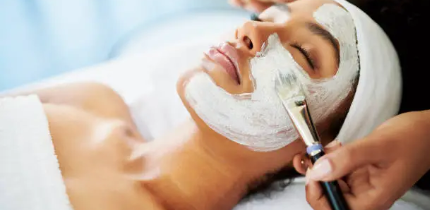
What Chemical Peels Are
So, you’re wondering what chemical peels are. Well, let me tell you!
Chemical peels are a popular cosmetic treatment that helps improve skin texture, reduce fine lines, and fade dark spots by removing the outermost layers of damaged skin. They work by applying a chemical solution to the skin, which causes it to peel off, revealing fresh, rejuvenated skin.
They are commonly used to improve the appearance of acne scars, wrinkles, fine lines, and hyperpigmentation. The intensity of the peel can vary, ranging from superficial peels that only target the outermost layer of the skin to deep peels that penetrate deeper layers.
The type of chemical used in the peel also varies, with options like glycolic acid, salicylic acid, and trichloroacetic acid. It’s essential to consult with a dermatologist to determine the best type of chemical peel for your specific skin concerns.
How Chemical Peels Work
Once you’ve had a chemical peel, you’ll be amazed at how it rejuvenates your skin. Chemical peels involve the application of a chemical solution to the skin, which causes the top layers to peel off. This process stimulates the production of new skin cells and collagen, leading to a smoother and more youthful complexion.
The chemicals used in the peel can vary in strength, depending on the desired outcome and the individual’s skin type. The depth of the peel also plays a role in how it works. Superficial peels target the outermost layer of skin, while medium and deep peels penetrate deeper into the skin.
The exfoliation and shedding of dead skin cells help to improve skin texture, reduce the appearance of wrinkles, and even improve skin tone. It’s essential to follow post-peel instructions provided by your dermatologist to ensure proper healing and maximize the benefits of the peel.
Types of Chemical Peels
If you’re considering a chemical peel, knowing that different types are available is essential.
Superficial peels are the mildest option, targeting the outermost layer of the skin to improve texture and tone.
Medium peels go a bit deeper, targeting the skin’s outer and middle layers to address issues like wrinkles and sun damage.
Deep peels are the most robust option, penetrating the middle layer of the skin to address more severe skin concerns such as deep wrinkles and scars.
Superficial, Medium, and Deep Peels
Ready to revitalize your skin after a chemical peel? Well, let’s dive into the different types of peels – superficial, medium, and profound – and how they can impact your post-treatment routine.
Superficial peels are the mildest and only affect the outermost layer of the skin, causing minimal downtime. You can resume your regular skincare routine, including red light therapy, within a few days.
Medium peels penetrate deeper, targeting moderate skin imperfections. After a medium peel, you may need to wait longer before using red light therapy, as your skin will require more time to heal.
On the other hand, deep peels reach the deepest layers of the skin and require significant downtime. It’s best to avoid red light therapy until your skin has fully healed, which can take several weeks.
Always consult with your dermatologist to determine the best course of action for your specific situation.
Using Red Light Therapy After a Chemical Peel
After a chemical peel, it’s essential to consider immediate aftercare to ensure proper healing and recovery. You should follow any instructions your skincare professional gives, such as avoiding direct sunlight and applying soothing creams or ointments.
Additionally, it’s advisable to wait for a specific period before starting red light therapy, as this can vary depending on the intensity of the peel. Red light therapy can be a beneficial addition to your post-peel routine, as it can help enhance healing and minimize any potential side effects you may experience.
Immediate Aftercare
Avoid using red light therapy immediately after a chemical peel for optimal results. Your skin is susceptible and needs time to heal after a chemical peel. Using red light therapy right away can irritate your skin and cause further damage. Instead, focus on providing gentle care and allowing your skin to recover naturally.
Keep your skin clean using a gentle cleanser and moisturizing regularly to promote healing. It’s also essential to protect your skin from the sun by applying a broad-spectrum sunscreen with a high SPF. Give your skin a week to fully recover before considering red light therapy as part of your skincare routine.
Waiting Periods
After your chemical peel, giving your skin time to heal before you introduce any new treatments is essential. This waiting period is crucial for your skin to recover and avoid irritation or damage.
While red light therapy can benefit your skin, waiting at least a week after your chemical peel before starting this treatment is best. During this waiting period, focus on gentle skincare routines and follow the aftercare instructions provided by your skincare professional. It will help ensure that your skin heals properly and reduces the risk of adverse reactions.
Once the waiting period is over, you can safely incorporate red light therapy into your skincare routine to enhance rejuvenation and promote overall skin health.
Enhancing Healing and Recovery
You can give your skin some well-deserved TLC to enhance healing and recovery by incorporating a soothing and nourishing skincare routine. After a chemical peel, your skin may feel sensitive and require extra care.
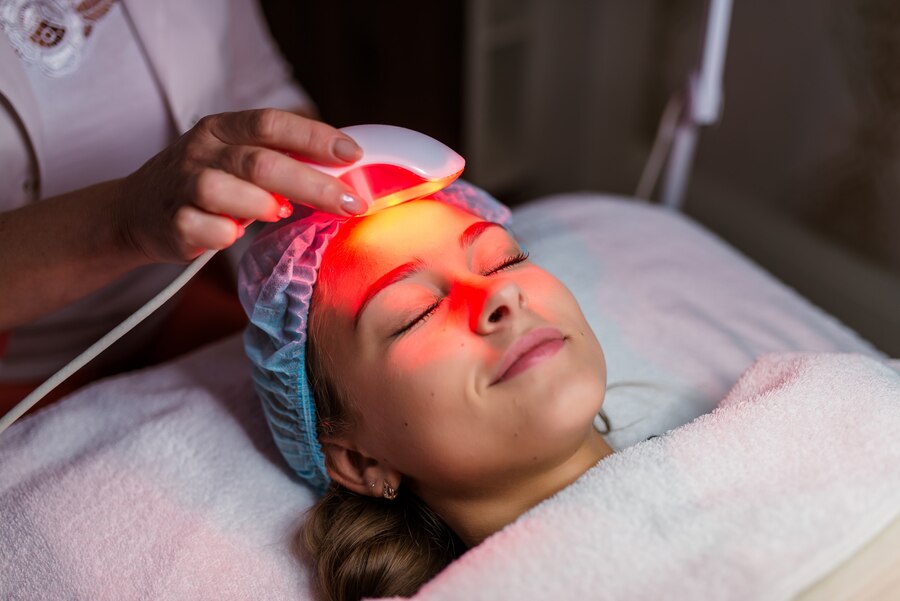
Red light therapy can be a beneficial addition to your routine. It penetrates deep into the skin, stimulates collagen production, and reduces inflammation. It can help speed up the healing process and improve the overall appearance of your skin.
Incorporating red light therapy sessions a few days after your chemical peel can promote faster recovery and provide a soothing effect. Consult your dermatologist or skincare professional to determine the appropriate timing and frequency for your needs.
Remember, healing takes time, so be patient and consistent with your skincare regimen.
Minimizing Post-Peel Side Effects
To minimize post-peel side effects, incorporate a soothing and nourishing skincare routine that includes red light therapy sessions a few days after your chemical peel. Red light therapy stimulates collagen production, reduces inflammation, and promotes cellular regeneration. This can help minimize redness, swelling, and discomfort that often occur after a chemical peel.
Red light therapy’s gentle and non-invasive nature makes it a safe and effective option for enhancing the healing process. Additionally, red light therapy can also improve your skin’s overall texture and tone, leaving it looking rejuvenated and glowing.
Consult with your skincare professional to determine the appropriate timing and frequency of red light therapy sessions based on your peel and skin type.
Conclusion
So, can you use red light therapy after a chemical peel? The answer is yes! Red light therapy can be a beneficial addition to your post-chemical peel skincare routine. It can help promote healing, reduce inflammation, and enhance collagen production.
However, it’s always essential to consult your dermatologist or skincare professional before incorporating new treatments into your routine. They can provide personalized advice based on your specific needs and ensure the best results for your skin.