
Are you tired of dealing with tension-type headaches? Do you find yourself searching for a solution that doesn’t involve medication or invasive procedures? Look no further! Red light therapy might be the answer you’ve been looking for.
Tension-type headaches, characterized by a dull, aching pain in the head, can be debilitating and affect daily life. Red light therapy, a non-invasive treatment that uses low-level red light wavelengths to stimulate healing in the body, has been gaining popularity for its numerous health benefits.
But can red light therapy help with tension-type headaches? This article will explore the potential benefits of using a red light therapy belt for relieving tension-type headaches. We will also discuss crucial considerations you should consider before trying this therapy.
Say goodbye to those pesky headaches and hello to a pain-free life with red light therapy!
Explanation of tension-type headaches
So, let’s talk about what precisely tension-type headaches are and how they can affect you. Tension-type headaches are the most common and are often described as a dull, aching pain that feels like a tight band around your head. These headaches can cause discomfort and can be triggered by various factors such as stress, poor posture, or lack of sleep.
They can last anywhere from a few hours to several days and significantly impact your daily activities and overall well-being. People who suffer from tension-type headaches often experience sensitivity to light and sound and muscle tension in the neck and shoulders.
Understanding the nature of tension-type headaches is crucial in finding the most effective treatment, such as using a red light therapy belt.
Red Light Therapy and its Benefits
If you’re seeking a way to alleviate your tension-type headaches, you might be interested in red light therapy belts. These belts use low-level red light to penetrate the skin and stimulate cellular energy production, promoting healing and reducing pain.
Red light therapy can help with headaches, but it’s also been found to benefit various conditions, such as arthritis, skin problems, and muscle pain.
A. Description of red light therapy belts
You’ll be amazed at the soothing relief a red light therapy belt can provide for your tension-type headache. Red light therapy belts are wearable devices that emit low-level red and near-infrared light. They are specifically designed to target and alleviate pain and inflammation in the affected area.
These belts are usually adjustable and can be worn around the head or neck, allowing for targeted treatment of tension-type headaches. The red and near-infrared light emitted by the belt penetrates deep into the tissues, promoting blood circulation and reducing muscle tension. This therapy has been found to stimulate the production of adenosine triphosphate (ATP), which aids in cellular rejuvenation and pain relief.
With regular use, a red light therapy belt can help alleviate the frequency and intensity of tension-type headaches, providing you with much-needed relief.
B. How red light therapy works
To understand how red light therapy works, imagine a gentle wave of soothing relief washing over your body, targeting and alleviating pain and inflammation in the affected area. Red light therapy, or low-level laser therapy, utilizes specific wavelengths of red light to penetrate the skin and stimulate cellular activity.
These wavelengths are absorbed by the mitochondria in cells, producing more adenosine triphosphate (ATP), the cell’s energy source. This increase in ATP production enhances the overall functioning of the cells, promoting healing and reducing pain.
Additionally, red light therapy helps to increase blood circulation, which delivers oxygen and nutrients to the affected area, further aiding in the healing process.
Using a red light therapy belt, you can conveniently target your tension-type headache and experience relief from pain and discomfort.
C. Benefits of red light therapy for various conditions
Red light therapy offers many benefits for various conditions, providing relief and promoting healing in a natural and non-invasive way. One of the main benefits is its ability to alleviate pain, including tension-type headaches. The red light emitted by the therapy belt penetrates deep into the tissues, stimulating the production of ATP, which is essential for cellular energy. This increased energy production helps reduce inflammation and improve blood circulation, relieving the tension and tightness that often accompanies headaches.
Additionally, red light therapy promotes the release of endorphins, which are natural painkillers in the body. It can further help to alleviate the discomfort associated with tension-type headaches. Overall, using a red light therapy belt can be an effective and drug-free option for managing and treating tension-type headaches.
Tension-Type Headaches
Tension-type headaches are the most common type. They are characterized by a dull, aching pain on both sides of the head, often described as a tight band or pressure around the head.
Various factors, such as stress, anxiety, poor posture, and muscle tension in the neck and shoulders, can cause these headaches.
While over-the-counter pain relievers can provide temporary relief, it’s essential to address the underlying causes of tension-type headaches for long-term management.
A. Definition and characteristics of tension-type headaches
Imagine experiencing a headache that feels like a tight band squeezing around your head, causing mild to moderate pain – that’s what a tension-type headache feels like. Tension-type headaches are the most common, affecting many people worldwide.
They are characterized by a dull, aching pain that usually starts in the back of the head and spreads to the front. The pain is often described as a constant pressure or tightness rather than a throbbing or pulsating sensation.
Tension-type headaches can last hours or even days and are accompanied by muscle tension in the neck and shoulders. Unlike migraines, tension-type headaches are not typically associated with other symptoms such as nausea or sensitivity to light or sound.
B. Common causes and triggers
One common cause of tension-type headaches is excessive stress or anxiety. When you’re constantly under stress or feeling anxious, the muscles in your neck and scalp can become tense and tight, developing a tension-type headache.
Common triggers include poor posture, eye strain, and lack of sleep. Poor posture can cause strain on the muscles in your neck and shoulders, leading to tension headaches. Similarly, spending long hours staring at a computer screen or reading can strain your eyes and contribute to developing a headache.
Additionally, not getting enough sleep or having disrupted sleep patterns can also increase your risk of experiencing tension-type headaches. Identifying and managing these triggers is essential to help alleviate the frequency and severity of your headaches.
C. Conventional treatments and their limitations
To manage tension headaches, conventional treatments such as over-the-counter pain relievers and relaxation techniques can provide relief, but they may have limitations in fully addressing the underlying causes.
Over-the-counter pain relievers like ibuprofen and acetaminophen can help alleviate the pain associated with tension headaches, but they may not eliminate the root cause of the headache.
Similarly, relaxation techniques such as deep breathing exercises and progressive muscle relaxation can help reduce muscle tension and promote relaxation. Still, they may not address the underlying triggers of your tension headaches.
Additionally, conventional treatments may not be effective for everyone and can sometimes cause unwanted side effects.
Therefore, it’s important to explore alternative therapies like red light therapy belts, which have shown promising results in reducing headache frequency and intensity.
However, consulting with a healthcare professional before trying any new treatment approach is advisable.

Can Red Light Therapy Help with Tension-Type Headaches?
If you suffer from tension-type headaches, you may be interested in knowing that research and studies support the use of red light therapy for headache relief. This therapy works by specific mechanisms, such as increasing blood flow to the affected area and reducing inflammation, which may help alleviate tension-type headaches. Additionally, using a red light therapy belt can offer potential benefits, such as convenience and targeted treatment, making it a viable option for headache relief.
A. research and studies supporting the use of red light therapy for headaches
Numerous studies have shown the effectiveness of red light therapy in relieving tension-type headaches. One study published in the Journal of Headache and Pain found that red light therapy significantly reduced the intensity and duration of tension-type headaches in participants.
Another study published in the Journal of Clinical and Diagnostic Research showed that red light therapy decreased headache severity, improved sleep quality, and reduced medication use.
Additionally, a review of multiple studies conducted by the Cochrane Collaboration concluded that red light therapy can be a safe and effective treatment option for tension-type headaches.These studies support using a red light therapy belt to relieve tension-type headaches.
So, if you’re looking for a drug-free and non-invasive solution, red light therapy may be worth considering.
B. Specific mechanisms of red light therapy that may help alleviate tension-type headaches
Discover how red light therapy alleviates your tension headaches by targeting specific mechanisms in your body. When you use a red light therapy belt, the red light photons penetrate your skin and tissues, stimulating the production of ATP (adenosine triphosphate) in your cells. ATP is your body’s energy currency and plays a crucial role in relieving tension-type headaches.
Additionally, red light therapy helps increase blood flow and circulation to the affected areas, promoting the delivery of oxygen and nutrients to your muscles and tissues. This increased blood flow helps relax the muscles and reduce inflammation, which can contribute to tension headaches.
Furthermore, red light therapy has been shown to activate the body’s natural pain-relieving mechanisms, such as the release of endorphins. By targeting these specific mechanisms, red light therapy can relieve tension-type headaches.
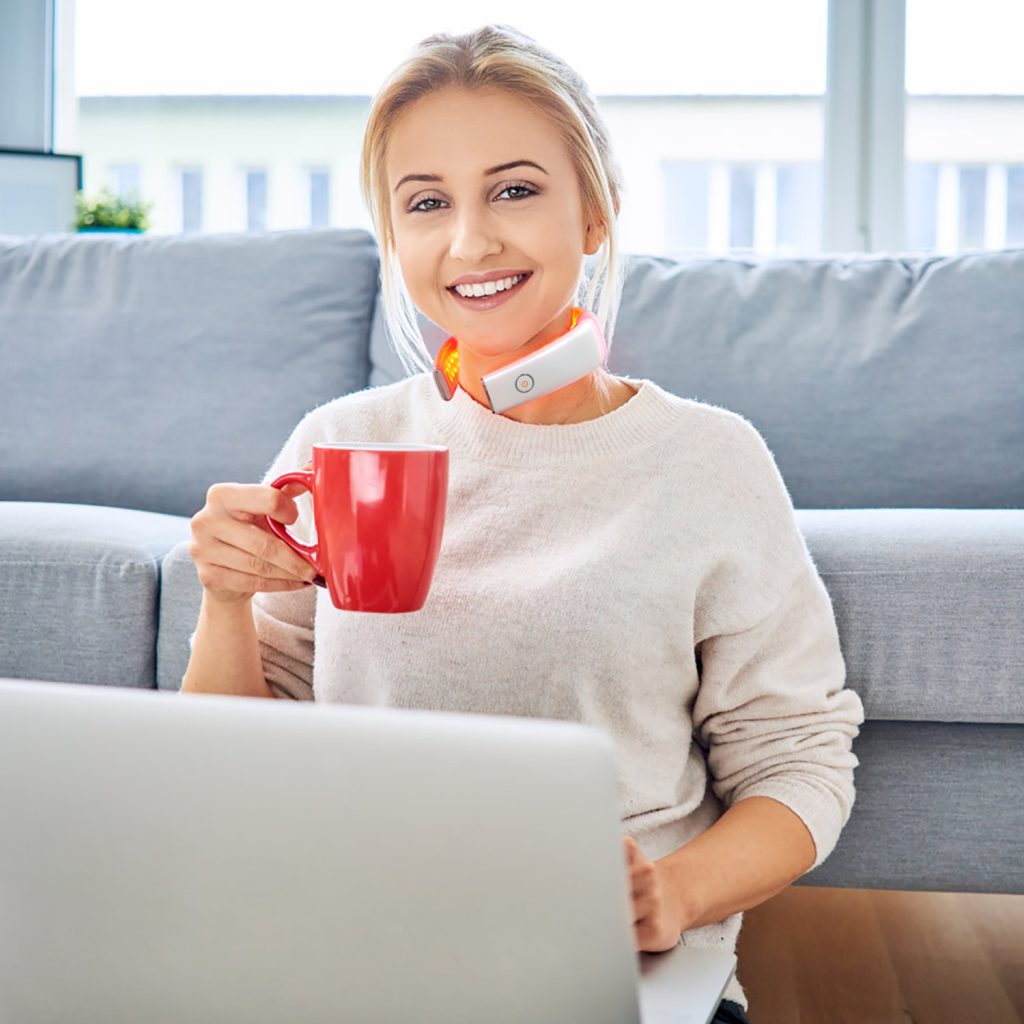
C. Potential benefits of using a red light therapy belt for headache relief
One potential advantage of using a red light therapy belt for relieving headaches is its ability to target specific mechanisms in your body and provide effective relief. Red light therapy has been shown to increase blood circulation, which can help reduce tension and alleviate pain associated with tension-type headaches.
The therapy belt can promote relaxation and release muscle tension by delivering red light directly to the affected area, such as the neck or shoulders. Additionally, red light therapy has anti-inflammatory properties, which can help reduce inflammation and swelling that may contribute to headache discomfort.
The convenience of a red light therapy belt allows you to easily incorporate headache relief into your daily routine, providing a non-invasive and drug-free alternative for managing tension-type headaches.
Considerations Before Using Red Light Therapy for Headaches
Before using red light therapy for headaches, remember a few essential considerations.
First, it’s crucial to understand the safety considerations and precautions associated with this treatment method.
Additionally, it is strongly recommended that you consult with a healthcare professional before starting red light therapy to ensure it is appropriate for your specific condition.
Lastly, having realistic expectations and understanding the limitations of red light therapy for headaches is essential.
A. Safety considerations and precautions
Although red light therapy belts can be helpful for tension-type headaches, safety precautions, as well as potential side effects, must be considered. Before using a red light therapy belt, please follow the manufacturer’s instructions carefully.
It’s also advisable to consult with a healthcare professional, especially if you have any pre-existing medical conditions or are taking any medications. Red light therapy is generally considered safe, but there are a few precautions to remember.
Avoid using the therapy belt on open wounds or areas of broken skin. Also, be cautious when using the therapy belt near your eyes, as direct exposure to the light can be harmful. If you experience any adverse reactions or discomfort during or after using the red light therapy belt, stop using it and consult a healthcare professional.
B. Consulting a healthcare professional before starting red light therapy
It’s advisable to seek guidance from a healthcare professional before starting any red light therapy treatment. Consulting a healthcare professional is essential because they can assess your condition and provide personalized recommendations. They’ll be able to determine if red light therapy is appropriate for your tension-type headache and if it’ll be effective in relieving your symptoms.
Additionally, a healthcare professional can help identify potential risks or contraindications, ensuring your safety during the treatment process. They can also guide you on the appropriate duration and frequency of therapy sessions, as well as any other complementary treatments or lifestyle modifications that may be beneficial.
Ultimately, consulting a healthcare professional will help ensure that you receive the best possible care and achieve the desired results from your red light therapy treatment.
C. Understanding the limitations and expectations of red light therapy for headaches
To fully grasp the potential of red light therapy for headaches, it’s essential to understand its limitations and what results can realistically be expected.
While red light therapy has shown promise in reducing pain and inflammation, it may not be a cure-all for tension-type headaches. It can provide temporary relief and help manage symptoms, but it may not eliminate headaches or prevent them from occurring.
It’s important to remember that individual responses to red light therapy may vary. Some people may experience significant improvement in their headaches, while others may only see minimal benefits. Additionally, the effectiveness of red light therapy may depend on various factors, such as the severity of the headaches, the frequency of treatments, and the specific device used.
Therefore, it’s advisable to approach red light therapy for tension-type headaches with realistic expectations. It may be helpful as a complementary therapy alongside other headache management strategies, but it’s always recommended to consult with a healthcare professional before starting any new treatment approach. They can provide personalized guidance and help determine whether red light therapy suits your specific condition.
Conclusion
In conclusion, a red light therapy belt for tension-type headaches can be a promising option. Red light therapy has shown benefits in reducing pain and promoting relaxation, which can help alleviate tension headaches. However, it’s essential to consult with a healthcare professional before using this therapy, as they can guide you to the best treatment options for your specific condition. Remember to prioritize your health and safety when exploring alternative therapies.