
Are you someone who loves to maintain a sun-kissed glow all year round? If so, you may wonder if combining your tanning sessions with red light therapy is possible. Well, the answer is here: yes, you absolutely can! Red light therapy and tanning can be a dynamic duo for achieving your desired skin tone and improving overall skin health. Whether you prefer indoor or outdoor tanning, incorporating red light therapy into your routine can benefit you.
From reducing the appearance of wrinkles and fine lines to promoting collagen production and enhancing skin elasticity, the combination of tanning and red light therapy is a winning strategy. However, it’s essential to understand the potential risks and take necessary precautions to protect your skin. In this article, we will dive deeper into tanning and red light therapy, exploring the methods, equipment, and the ultimate question: can you do red light therapy after tanning?
What is Tanning?
So, you’re wondering what tanning is.
Well, tanning darkens your skin color by exposing it to ultraviolet (UV) radiation. This can be done naturally by spending time in the sun or artificially using tanning beds or sun lamps.
When you are exposed to UV rays, it triggers the production of melanin, a pigment that gives your skin its color. The more melanin your body produces, the darker your skin becomes.
Tanning is often associated with a healthy and sun-kissed glow, but it’s important to remember that excessive exposure to UV rays can be harmful. It can increase the risk of skin damage, premature aging, and even skin cancer.
So, while tanning may seem appealing, it’s crucial to practice sun safety and limit your exposure to UV radiation.

Indoor vs. Outdoor Tanning
Contrasting indoor and outdoor tanning options, there’s a noticeable difference in how your skin responds to each.
When you tan indoors, you have more control over the environment. You can adjust the tanning session’s temperature, intensity, and duration to suit your needs. Indoor tanning beds emit UVA rays, which penetrate deeper into the skin and can result in a faster and longer-lasting tan. However, it’s important to note that excessive exposure to UVA rays can also increase the risk of skin damage and premature aging.
On the other hand, outdoor tanning exposes you to a combination of UVA and UVB rays, which can lead to a more natural-looking tan. However, it’s crucial to protect your skin with sunscreen and limit your time in the sun to avoid sunburn and potential skin damage.
Ultimately, the choice between indoor and outdoor tanning depends on your preferences and the control you want over your tanning experience.
Tanning Methods and Equipment
When choosing between indoor and outdoor tanning, it’s essential to consider the various tanning methods and equipment available.
Indoor tanning typically involves using tanning beds or booths that emit artificial UV rays. These beds have special bulbs that mimic the sun’s rays and help you achieve a tan.
On the other hand, outdoor tanning relies on natural sunlight to darken your skin. You can tan on the beach, by the pool, or in your backyard. Outdoor tanning also offers the opportunity to enjoy fresh air and vitamin D from the sun.
Both methods have their ads and disadvantages, so weighing them carefully before deciding is essential. Red Light Therapy Be Done After Tanning?
If you’ve just finished tanning and want to try red light therapy, knowing how long to wait before starting is essential. Waiting at least 24 hours after tanning is recommended to allow your skin time to recover. For optimal timing, it’s recommended to do red light therapy sessions either before tanning or on a separate day to avoid overexposing your skin to UV rays.
How Long to Wait After Tanning
After tanning, you should wait a certain amount before doing red light therapy. Giving your skin time to recover from the UV exposure is essential before subjecting it to another treatment. The recommended waiting time after tanning before starting red light therapy is about 24 to 48 hours. This allows your skin to cool down and reduces the risk of any potential side effects. Waiting for this period also ensures that your skin is in the best condition for red light therapy. Following this guideline is essential to avoid any potential harm to your skin. So, give yourself time before jumping into your red light therapy session after tanning.
Optimal Timing for Red Light Therapy
The best time to indulge in red light therapy is when your skin has had a chance to recover from a nice tan. After tanning, your skin may be more sensitive and prone to irritation. Waiting until your skin has fully healed before trying red light therapy is essential. It will allow your skin to regain its natural balance and avoid damage or discomfort.
The optimal timing for red light therapy after tanning varies depending on your skin type and the intensity of your tan. Generally, it’s recommended to wait 24-48 hours before undergoing red light therapy. It is recommended to ensure that your skin is ready to receive the benefits of the therapy without any adverse side effects.
So, be patient and give your skin the time it needs to recover before enjoying the benefits of red light therapy.
Benefits and Risks of Combining Tanning and Red Light Therapy
There are a few key points if you’re considering combining tanning and red light therapy. Firstly, Theion may enhance skin rejuvenation, as red light therapy can stimulate collagen production and improve skin texture.
Red light therapy may also improve tanning results by promoting a more profound and longer-lasting tan. However, it’s important to note that combining these two treatments may also increase the risk of skin damage. Hence, moderation is crucial to prevent overexposure and potential harm to your skin.
Enhanced Skin Rejuvenation
To enhance red light therapy in your tanning routine. Red lig to enhance your skin rejuvenation therapy can complement the effects of tanning by stimulating collagen production and improving skin tone and texture. When combined, red light therapy can help reduce the appearance of fine lines, wrinkles, and age spots, giving your skin a more youthful and radiant appearance.
Additionally, red light therapy can help to reduce inflammation and promote healing, making it an excellent choice for those who experience sunburn or other skin irritations from tanning. By adding red light therapy to your tanning routine, you can maximize the benefits for your skin and achieve a healthier, more vibrant complexion.
Improved Tanning Results
If you want to take your tanning results to the next level, consider combining red light therapy with sunbed sessions. Not only does red light therapy offer numerous benefits for your skin, but it can also enhance the effectiveness of your tanning experience.
By using red light therapy before or after your tanning session, you can stimulate collagen production, improve skin texture, and even out your skin tone. This means that you’ll not only achieve a more profound and longer-lasting tan, but you’ll also enjoy smoother and more radiant skin.
So, whether you’re a regular tanner or just starting, adding red light therapy can give you the sun-kissed glow you’ve always desired. Prepare to step up your tanning game and achieve your ultimate bronzed look!
Increased Risk of Skin Damage
Reduced light therapy combined with sessions can heighten the risk of skin damage. While red light therapy is known for its potential benefits, such as improving collagen production and reducing inflammation, it is essential to be cautious when using it alongside tanning.
Sunbeds already emit ultraviolet (UV) radiation, which damages the skin and increases skin cancer. Adding red light therapy to the mix exposes the skin to additional light wavelengths, potentially causing further harm.
Combining UV radiation and red light therapy may increase skin sensitivity, sunburn, and premature aging. It’s best to avoid using red light therapy immediately after tanning and instead opt for separate sessions to minimize the risk of skin damage.
Importance of Moderation
Finding a balance and not overexposing yourself can help you reap the benefits while avoiding potential risks. When it comes to red light therapy after tanning, moderation is key.
It’s important to understand that tanning and red light therapy can impact your skin. When done excessively, tanning can significantly increase the risk of skin damage, while red light therapy can also affect your skin’s health if misused.
Therefore, it is recommended to space out your tanning sessions and red light therapy sessions, allowing your skin enough time to recover between treatments. This way, you can enjoy both benefits without putting your skin at unnecessary risk.
Remember, moderation is the key to maintaining a healthy balance and achieving optimal results.
Conclusion
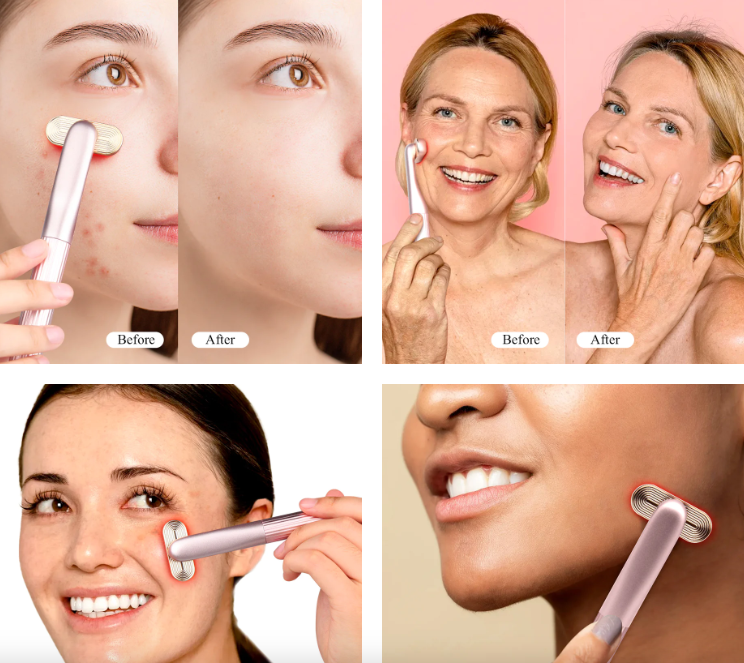
In conclusion, you can do red light therapy after tanning. It’s important to remember that red light therapy can have many benefits for your skin, such as reducing wrinkles and improving collagen production. However, taking precautions and not overexposing your skin to either tanning or red light therapy is also essential. Make sure to follow the recommended guidelines and consult with a professional if you have any concerns. Stay safe and enjoy the benefits of both tanning and red light therapy!